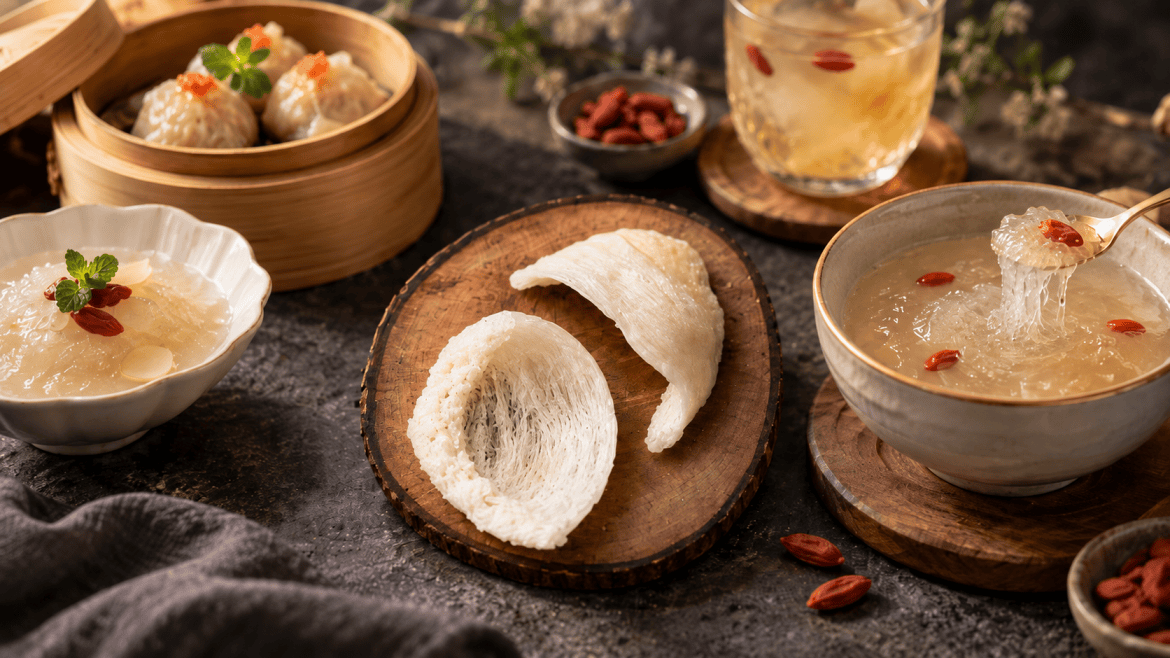
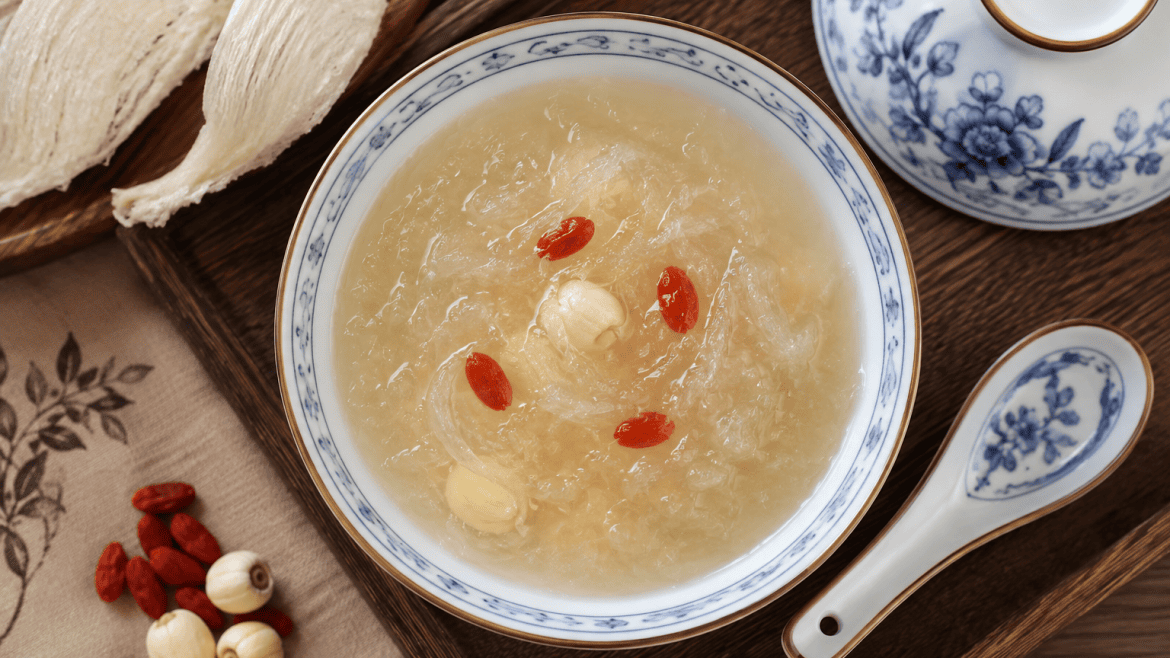
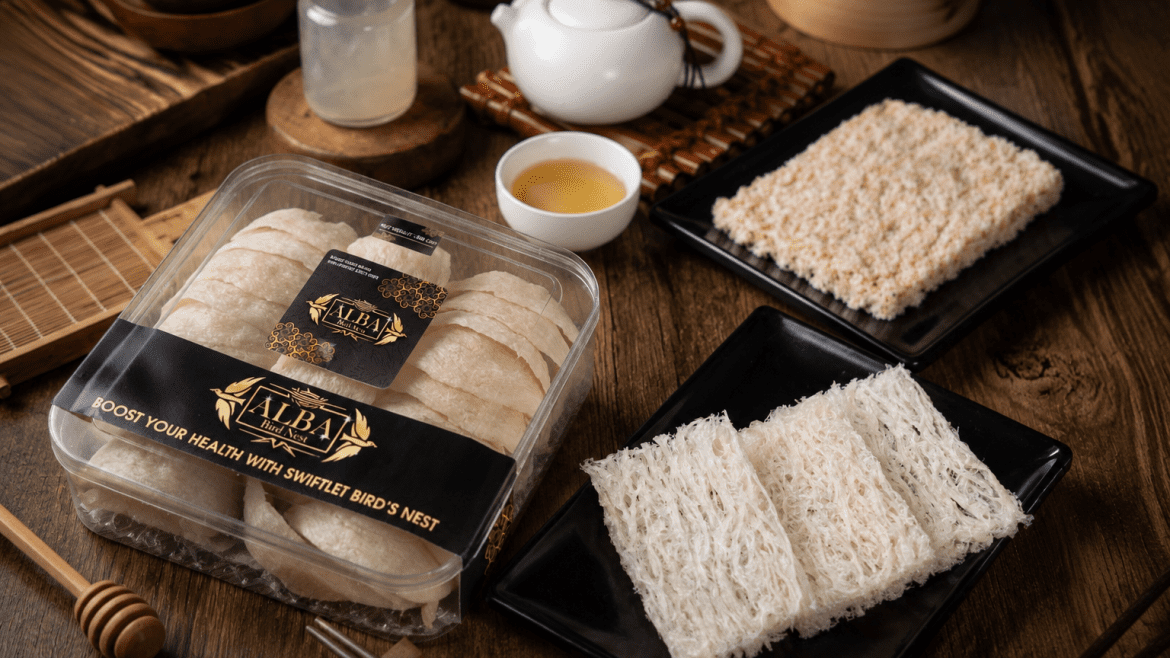
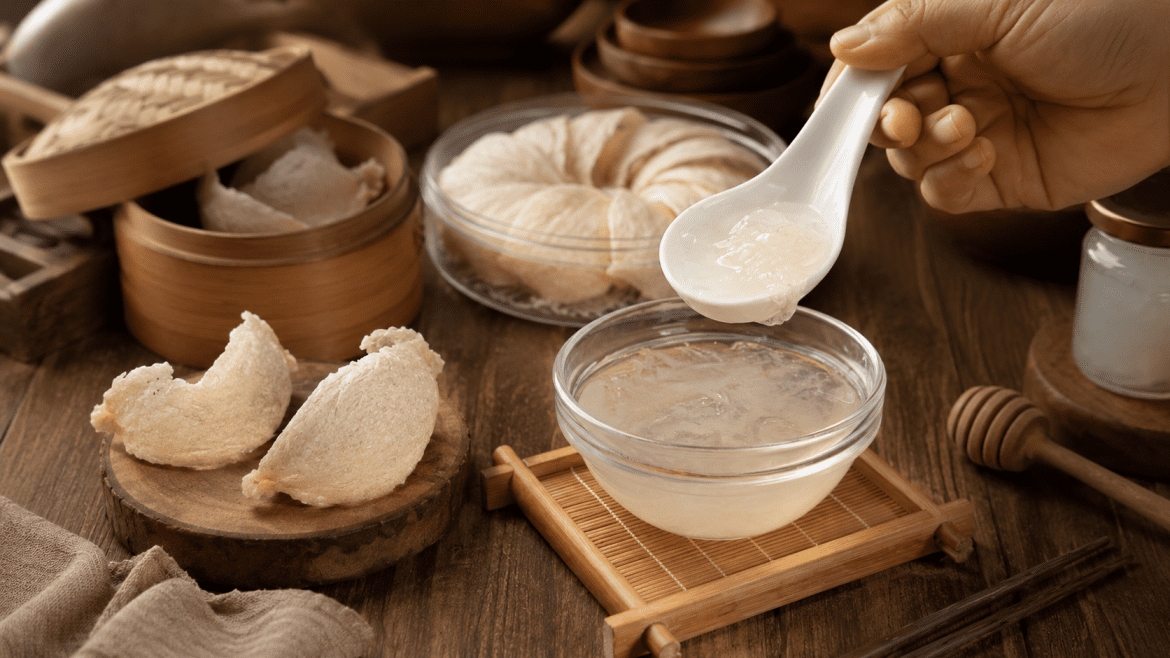
Most people only picture soup when they think of a bird’s nest. That’s a shame, because a good bird’s nest recipe can go a lot further. The delicate texture and subtle flavour of bird’s nest take beautifully to sweet desserts, chilled drinks, and even savoury breakfast dishes. Here are five ways to enjoy it beyond the classic bowl of soup,…
If you spend time on TikTok, you have probably seen the clip. Someone drinks a jelly-like beverage. The caption says “bird spit.” Comments mix shock with curiosity. That nickname made bird’s nest a trending topic. It also treated the ingredient unfairly. Bird’s nest is a real food. People have prized it for hundreds of years. Workers harvest it by hand…
Sellers often market edible bird’s nest as a collagen booster. So the bird nest collagen benefits people ask about deserve a check against real evidence. Here is the short version. Bird’s nest is not a collagen supplement in the way the label suggests. It does not deliver collagen that your skin then absorbs and uses. Instead, it carries compounds like…
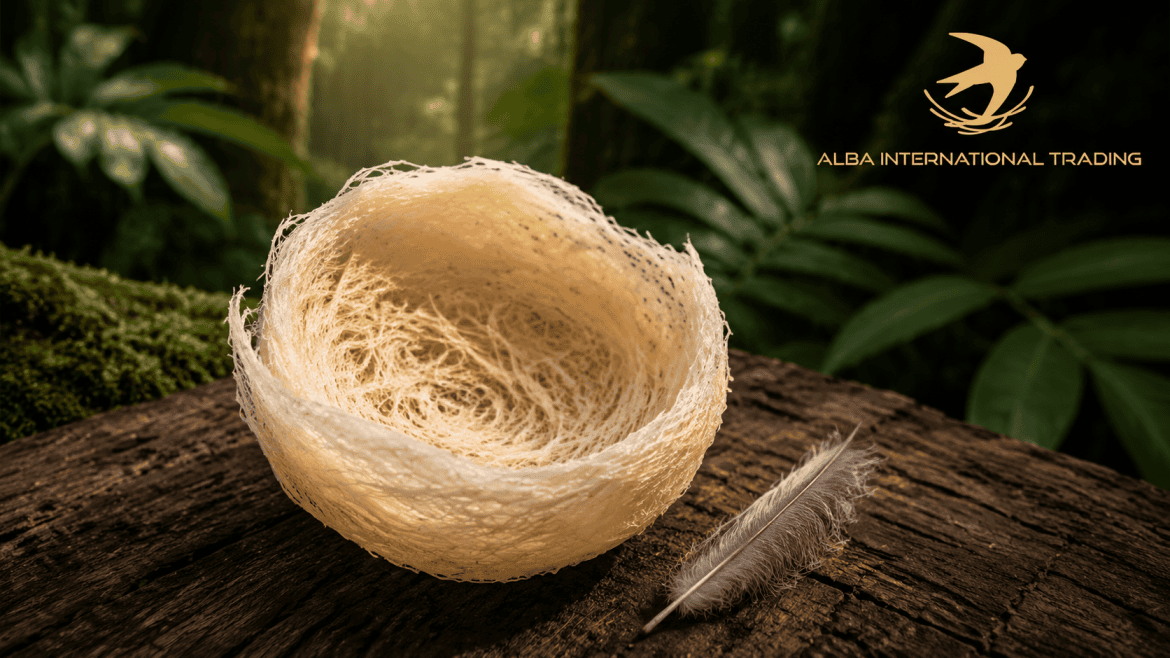
Kalimantan bird’s nest is often singled out by buyers and connoisseurs as one of the most distinctive edible bird’s nests to come out of Indonesia. The reason comes down to geography as much as tradition. Borneo’s ancient rainforest, its river systems, and its humidity levels create a very specific environment for swiftlets, one that shapes the texture, purity, and mineral profile of every nest harvested there.
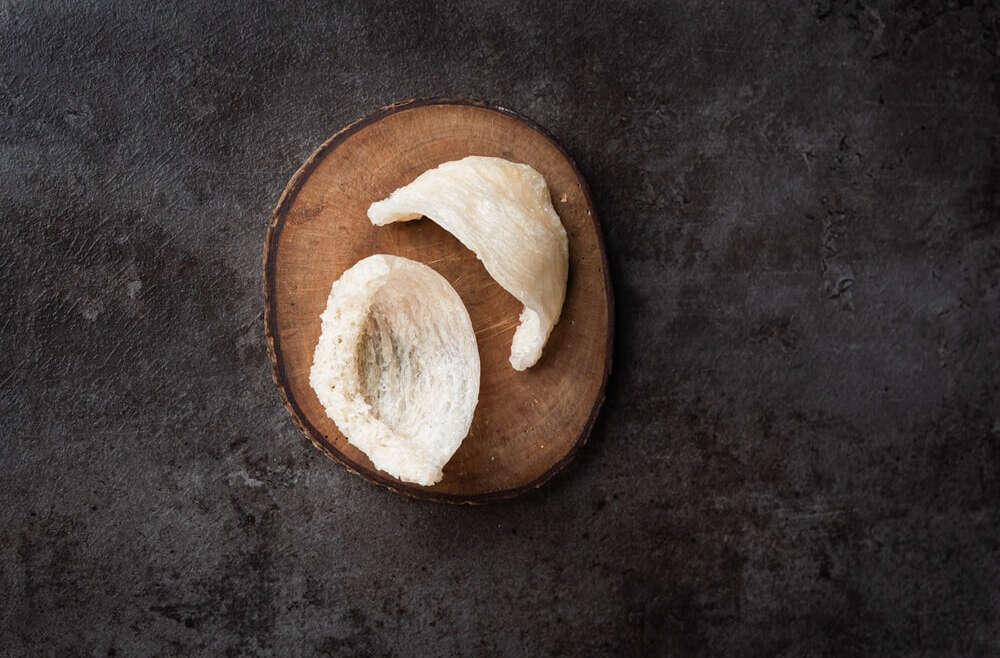
Edible bird’s nest is built entirely from swiftlet saliva, hardened over weeks into a cup-shaped structure. Because the bird produces this saliva in direct response to its environment, humidity, temperature, insect availability, and mineral content in the air and water, the region where a nest is harvested has a real, measurable effect on the finished product. This is one of the main reasons the trade distinguishes nests by origin rather than treating them as an interchangeable commodity.
Kalimantan offers a particular combination of factors that swiftlets respond well to: dense tropical rainforest cover, consistently high humidity, and a river-fed ecosystem that supports a large, stable insect population. These conditions tend to produce nests with a firmer structure and a cleaner, whiter-to-cream base coloring before processing, which is part of why Kalimantan bird’s nest commands strong interest among buyers who are particular about consistency.

The health benefits of edible bird nest have been valued across Asia for centuries, both as a delicacy and a traditional health tonic. Often called the “caviar of the East,” it was once reserved for emperors and believed to support healthy skin, immunity, and overall vitality. But how much of that reputation is backed by modern science? In recent years,…
A reliable edible bird’s nest wholesale supplier should verify FDA registration, HACCP certification, and (for Indonesian exporters) NKV approval with actual certificate numbers, name their exact sourcing region, and confirm a manual, chemical-free cleaning process. Buyers in the US, Australia, Canada, and Taiwan should also check MOQ and pricing structure, export track record, and grading consistency across orders. Suppliers showing…
Edible bird’s nest is a nutrient-dense delicacy made from swiftlet saliva, and 2024–2025 clinical research links it to measurable skin hydration gains, collagen support, and immune activity. One trial recorded a 22.14% improvement in skin moisture over the study period. Benefits depend heavily on sourcing: manually cleaned, chemical-free nest retains more of its natural glycoprotein content than bleached or over-processed…